Grip Before the Treadmill: The Case for Lifting First After 40
Ask the average British man over 40 what he is doing for his health, and the answer is almost always the same: walking more, hitting 10,000 steps, maybe the odd Parkrun. Cardiovascular effort has become shorthand for health itself. Yet the clinical picture tells a more complicated story. When researchers look for the physical markers that best predict how long and how well a man will live, two measures rise above the rest — and neither is a treadmill score.
What Your Handshake Is Telling You
Grip strength is one of the most extensively studied predictors of all-cause mortality in midlife and beyond. Large cohort studies across Europe have repeatedly shown that weaker grip strength correlates with higher mortality, increased cardiovascular events and earlier loss of independence — often more strongly than blood pressure or activity levels. It sounds almost absurd that a dynamometer squeeze could say more about your future than your resting heart rate, but grip is a proxy for something far bigger: total skeletal muscle.
Muscle is not merely a movement apparatus. It is a metabolic organ, a glucose sink, a reservoir of amino acids in illness, and a key regulator of hormonal signalling. From around the age of 40, men lose roughly 1% of muscle mass per year — a process known as sarcopenia — unless they actively resist it. Left unaddressed, that slow leak accelerates: less lean tissue means worse insulin sensitivity, lower resting metabolic rate, reduced testosterone production and a body composition that quietly shifts towards the visceral fat pattern so common in British men of middle age.
The Hormonal Cost of Shrinking Muscle
The relationship between muscle and hormones is bidirectional. Resistance training stimulates acute and chronic increases in testosterone and growth hormone signalling, and preserves the lean mass that keeps oestrogen conversion, insulin regulation and cortisol balance in check. Lose the muscle, and the hormonal environment deteriorates; the deteriorating hormonal environment then makes it harder to hold onto muscle. It is a downward spiral that many men only recognise when they are 55, weaker than they were at 35, and puzzled by blood results their GP struggles to explain.
Cardio, by contrast, does little to interrupt this cycle. It remains essential — no one at Meno MD Plus would argue against aerobic fitness for cardiovascular and mental health — but as a standalone strategy for the midlife man, it is incomplete. You cannot outrun sarcopenia on a step counter.
Why the NHS Nudges Men Towards the Pavement
Public health messaging bears some responsibility here. NHS guidance recommends 150 minutes of moderate activity a week plus two sessions of strength work, but in practice the strength half of that equation is treated as an afterthought. Step-count challenges, workplace walking schemes and running apps dominate the cultural conversation because walking is measurable, low-risk and easy to prescribe at population scale. A squat rack, by comparison, requires equipment, instruction and a willingness to confront one's own weakness.
There is also a perception problem. Many men in their 40s and 50s assume resistance training is for the young, the vain, or the already-fit. In reality, the greatest returns from lifting accrue to those who start with the least muscle. A structured, progressive programme — two to three sessions weekly, covering the major movement patterns — is among the most evidence-backed interventions available for healthy ageing in men.
A Practical Order of Operations
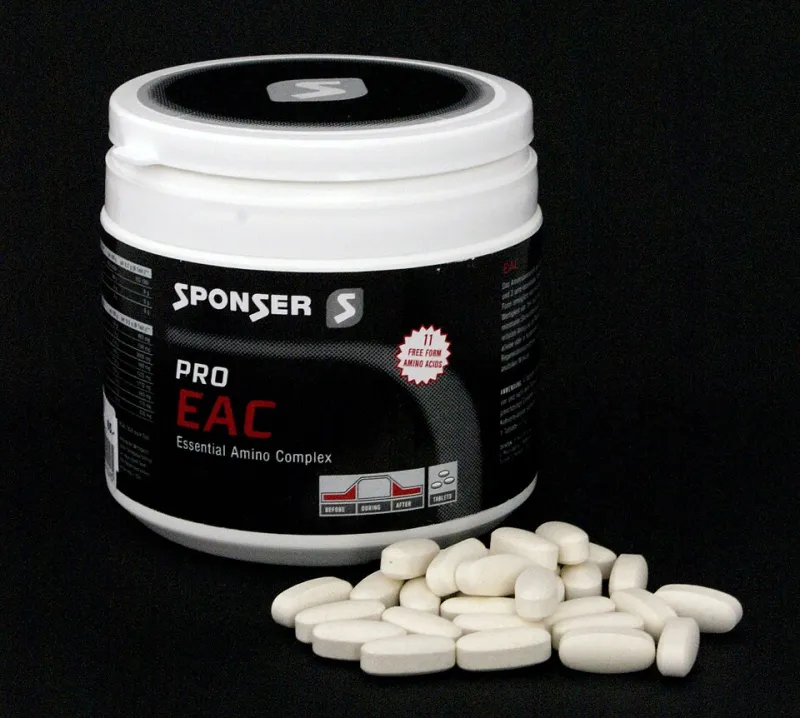
If you are over 40 and currently doing nothing, the priorities are straightforward. First, establish two resistance sessions per week: squats or leg press, a hinge movement such as a deadlift or hip thrust, pushing, pulling and loaded carries — which, conveniently, also tax your grip. Second, add aerobic work on top, not instead. Third, support the training with adequate protein, roughly 1.2 to 1.6 grams per kilogram of body weight daily for most active men, and sleep that actually permits recovery.
Progress, not perfection, is the standard. A pair of adjustable dumbbells in the spare room — or that kettlebell gathering dust in the corner — is a legitimate starting point.
The Verdict
For men in midlife, strength is not a vanity project; it is preventive medicine with a stronger predictive track record than most cardiovascular benchmarks. Cardio earns its place, but it should come second in the queue. Lift first, walk after — and treat the loss of muscle not as an inevitability of age, but as the most modifiable risk factor you own.