Shelf Space or Bin? A Doctor's Honest Verdict on Ten Supplements for Men Over 40
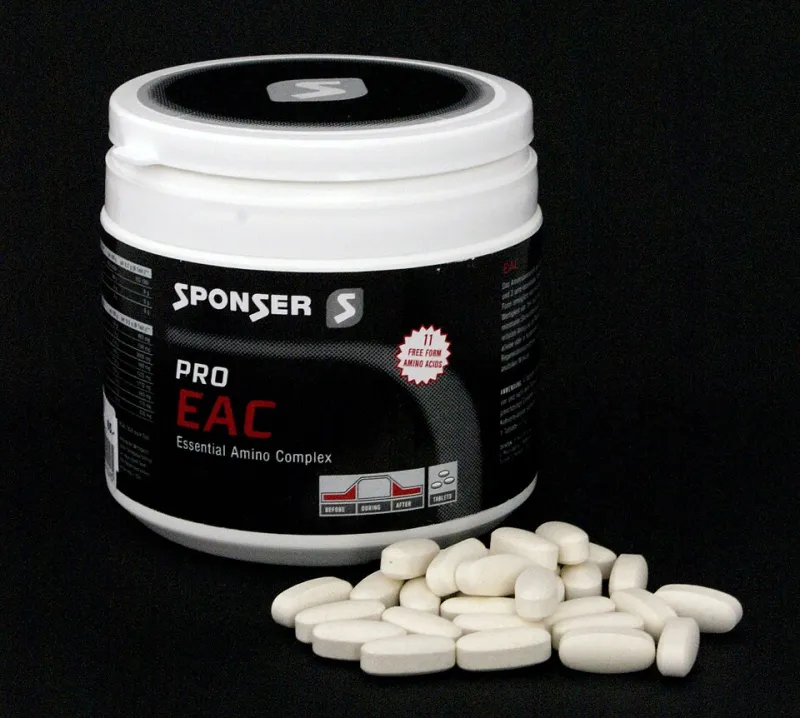
Photo: Sandstein, CC BY 3.0, via Wikimedia Commons
Walk down the supplement aisle of any British high street chemist and you will find a curious economy: products costing pennies to manufacture, wrapped in the language of clinical medicine, selling for the price of a weekly food shop. Some earn their place. Most do not. Here is our honest audit, graded as a GP might grade the evidence behind them.
The Keepers
1. Vitamin D — Verdict: Justified. Sunlight north of the Mediterranean is unreliable at best; between October and March, UK skin makes almost none. Government advice already recommends 10 micrograms (400 IU) daily for everyone in the darker months. For men over 40 who work indoors, a year-round 1,000–2,000 IU tablet is a sensible, inexpensive hedge. Expect modest benefits for bone and muscle health — not a transformation.
2. Creatine monohydrate — Verdict: Justified. The most researched supplement in sport, and one of the few with genuine evidence in older adults: it supports strength, lean mass and possibly cognition when paired with resistance training. Take 3–5g of plain monohydrate daily. Ignore fancy variants; the basic powder is the gold standard and costs pennies a day.
3. Omega-3 (EPA/DHA) — Verdict: Conditionally justified. If you eat oily fish twice a week — mackerel, sardines, salmon — you likely do not need it. If you do not, 1g daily of a reputable fish oil is a reasonable substitute. Evidence for cardiovascular benefit in supplements is weaker than once hoped, so treat it as a dietary patch, not a shield.
4. Magnesium — Verdict: Conditionally justified. Deficiency is plausible in men with poor diets, heavy alcohol use or on certain medications (PPIs, some diuretics). Glycinate or citrate forms are well absorbed; oxide is cheap but poorly so. Realistic expectations: perhaps better sleep quality and bowel regularity, nothing more dramatic.
5. Ashwagandha — Verdict: Watch this space. Small trials suggest modest reductions in perceived stress and cortisol, and possibly small testosterone rises in stressed men. The evidence base is young, product quality varies wildly, and rare liver injury has been reported. If used, choose a third-party-tested extract and tell your GP, particularly if you take thyroid or sedative medication.
The Bin
6. 'Testosterone booster' blends — Bin. These typically combine zinc, magnesium, fenugreek and tribulus at doses too low to matter. In men with normal testosterone, they do nothing; in men with genuine deficiency, they do not replace proper investigation and treatment. A supplement cannot fix a hypothalamic-pituitary problem.
7. 'T-gummies' — Bin, emphatically. Gummies are a marketing format, not a therapeutic one: sugar, flavouring, and dosages chosen for taste rather than efficacy. If a product's headline claim is that it works like a sweet, believe the packaging.
8. High-dose zinc 'for men' — Bin. Zinc supports normal testosterone, but only where deficiency exists — and excess zinc over time causes copper deficiency and gut upset. A varied diet covers almost everyone.
9. Tribulus — Bin. Repeated trials have failed to show meaningful testosterone increases in humans. It survives on a single 1990s anecdote about weightlifters, which has never been replicated.
10. Multivitamins 'for men 50+' — Bin (mostly). Large trials show no mortality or major disease benefit in well-nourished populations. If your diet is genuinely poor, a basic, cheap multivitamin is harmless — but do not pay a premium for saw palmetto and ginkgo padding.
Buying Well in the UK
Three rules will protect your wallet and your health. First, look for third-party certification — Informed Sport, NSF or a reputable UK retailer's own testing programme — since supplements are not tested like medicines. Second, check the actual dose per serving against the doses used in studies; underdosing is the industry's favourite trick. Third, tell your GP what you take: supplements interact with real medicines, from warfarin to antidepressants, and your GP can only help if they know.
The honest summary: five pounds a month spent on vitamin D, creatine and, if your diet warrants it, omega-3 will do more for a man over 40 than fifty pounds spent on the testosterone aisle. Buy the boring products. Bin the rest.