Beyond the Annual Check-Up: Eight Blood Markers Worth Discussing With Your GP After 40
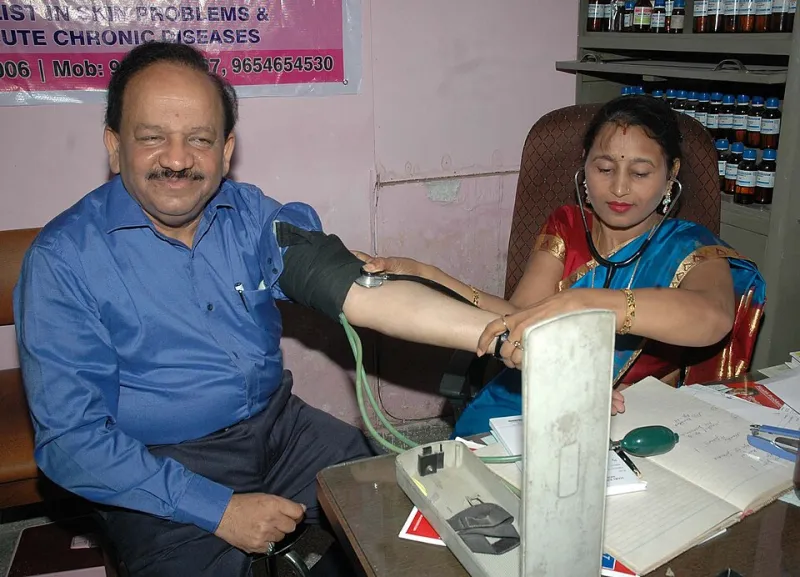
Photo: Ministry of Health and Family Welfare, GODL-India, via Wikimedia Commons
Ask the average British man in his late forties when he last had a blood test beyond routine cholesterol screening, and you will often be met with a shrug. Yet midlife is precisely when the quiet shifts begin — metabolic, hormonal, and nutritional — that shape health outcomes for decades to come.
At Meno MD Plus, our clinical team believes that informed patients get better care. This checklist is designed to help you walk into your GP surgery prepared, not paranoid.
Why Proactive Testing Matters in Midlife
The NHS does an enormous amount with finite resources, but routine screening for men between 40 and 65 is patchy. There is no male equivalent of the breast screening programme, and the NHS Health Check — offered to adults in England aged 40 to 74 — captures only a narrow slice of the picture.
The consequence is predictable: conditions such as type 2 diabetes, hypogonadism and vitamin D deficiency are frequently picked up late, once symptoms have already taken hold. A targeted set of blood tests, discussed with your GP, can flip that timeline.
The Eight Markers That Matter
1. Total and Free Testosterone
Testosterone declines gradually — roughly 1% per year from the mid-thirties — but the range matters less than the trend and the symptoms. If you are experiencing persistent fatigue, low mood, reduced libido or loss of muscle mass, ask for a morning total testosterone test, ideally repeated on a second occasion. NHS testing is appropriate where symptoms are present; a single borderline result should never trigger treatment without proper repeat testing.
2. HbA1c
This marker reflects your average blood glucose over roughly three months. An HbA1c of 42–47 mmol/mol indicates prediabetes; 48 mmol/mol or above on two occasions confirms type 2 diabetes. Given that around 13 million people in the UK are at elevated risk of type 2 diabetes, this is arguably the single most valuable test a man over 40 can request.
3. Lipid Profile
A standard panel covers total cholesterol, HDL, LDL and triglycerides. But ask about your QRISK3 score as well — this calculates your ten-year cardiovascular risk based on multiple factors, not cholesterol alone. A QRISK3 score above 10% typically prompts a conversation about statins under NICE guidance.
4. Vitamin D
Deficiency is widespread in the UK, particularly between October and March when sunlight is insufficient for cutaneous synthesis. Low vitamin D is associated with fatigue, musculoskeletal aches and impaired immune function. Levels below 25 nmol/L are deficient; 50–125 nmol/L is generally considered adequate.
5. PSA (Prostate-Specific Antigen)
There is no routine NHS prostate screening programme, but any man over 50 — or over 45 with a family history or Black African or Black Caribbean heritage — can request a PSA test after an informed discussion with their GP. It is not a perfect test: raised PSA can indicate benign enlargement as easily as cancer, which is why shared decision-making is essential.
6. Thyroid Function (TSH and Free T4)
An underactive thyroid mimics many midlife complaints — weight gain, tiredness, low mood — and is easily missed. A simple TSH test with reflex free T4 will identify most cases, and treatment is straightforward and effective.
7. Full Blood Count and Ferritin
Anaemia in men is never normal until proven otherwise and warrants investigation. A full blood count also screens for polycythaemia, which can be relevant in men with untreated sleep apnoea or long-standing low testosterone.
8. Liver and Kidney Function
Fatty liver disease now affects an estimated one in three UK adults, driven largely by weight and alcohol intake. Elevated ALT and GGT are early warning signs, while creatinine and eGFR track kidney health — particularly important if you take regular NSAIDs or have hypertension.
Raising These Tests With Your NHS GP
GPs are not obstructive; they are time-poor. Book a standard appointment specifically to discuss preventive testing rather than tacking it onto a sick note consultation. Frame it around symptoms where they exist: "I've had persistent fatigue and low mood for six months — could we check testosterone, thyroid and HbA1c?"
Be aware that not every test will be offered immediately. Testosterone, for example, requires symptomatic justification under most commissioning policies. Where a test is declined, ask why, and ask what would change the decision.
When Private Testing Becomes Worthwhile
Private blood testing — available via reputable laboratories and some pharmacies — offers speed, breadth and repeat monitoring without gatekeeping. It makes particular sense if you want baseline data before symptoms appear, need frequent re-testing while making lifestyle changes, or wish to track markers your GP will only test once abnormal.
The caveat: interpretation matters more than collection. A printout of numbers without clinical context is a recipe for anxiety or, worse, inappropriate self-treatment. Any reputable service should offer clinician review, and any abnormal result should still find its way to your NHS record.
The Bottom Line
Midlife is not a diagnosis, but it is a fork in the road. The men who age well are rarely the ones who simply avoid illness — they are the ones who measure, understand and act. Eight blood markers, one informed conversation with your GP, and a plan. That is proactive male health, done properly.