Your Kitchen Table Is Now a Clinic: Making Sense of the Numbers on Your Phone
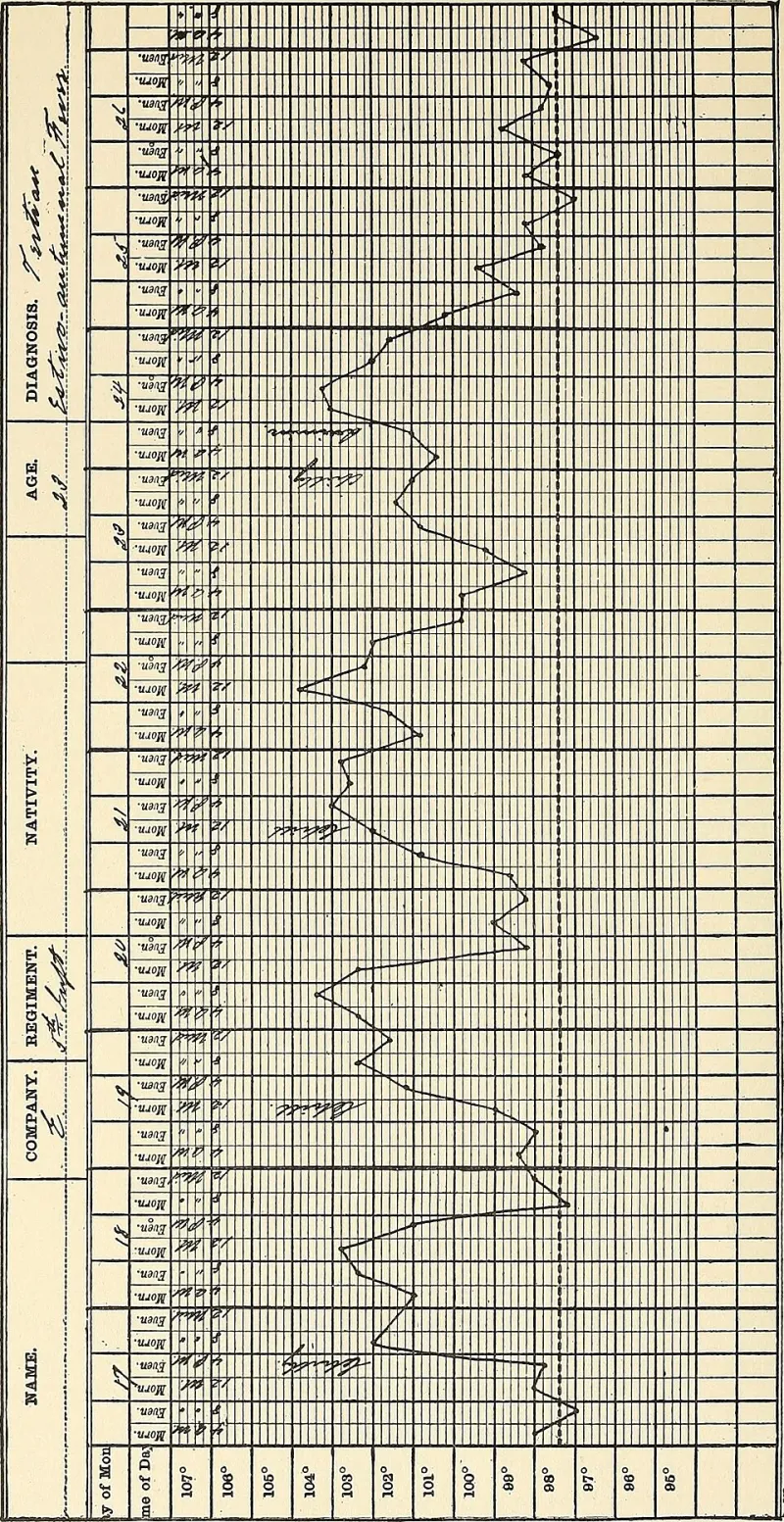
Photo: Craig, Charles Franklin, 1872-1950, No restrictions, via Wikimedia Commons
The Quiet Revolution in Your Kitchen Drawer
There is a reasonable chance that somewhere in your house sits a blood pressure cuff you bought on a whim, a smartwatch counting your steps, and a phone with the NHS App installed and largely ignored. Taken together, you are holding more physiological information about yourself than your grandfather's GP could have gathered in a decade of Saturday-morning surgeries.
This is genuinely new. The average man in his late forties in Britain today can generate a resting heart rate, a sleep score, an irregular rhythm alert and a home blood pressure average without leaving the house. The question is no longer whether we have the data. It is whether the data is doing us any good.
What Is Actually Worth Tracking at Home
Not all measurements are created equal, and the honest answer is that most of what a wearable measures is interesting rather than actionable.
Blood pressure. This is the standout. Hypertension is the single most consequential silent condition in middle-aged British men, and home readings taken correctly — seated, rested, arm supported, at consistent times — are arguably more reliable than the white-coat readings taken in a busy surgery. A rolling seven-day average, morning and evening, is the figure worth writing down.
Weight and waist circumference. Weighed weekly, not daily. The waist measurement, taken at the level of the navel, tracks visceral fat more usefully than the scales alone.
Resting heart rate trends. Not the daily number, which bounces around, but the trend over months. A gradual drift upwards can be worth a conversation.
Sleep duration. The total hours matter more than the detailed sleep-stage breakdowns, which remain scientifically soft.
What You Can Reasonably Ignore
Step counts have become a kind of national theatre, but the difference between 8,000 and 9,000 steps is not a clinical event. Heart rate variability, stress scores and calorie-burn estimates are best treated as conversation pieces. And the odd alarming reading — a one-off blood pressure spike after a bad night or a stressful commute down the M6 — tells you almost nothing. Single measurements frighten; patterns inform.
The Limits of the Spreadsheet
Here is the uncomfortable part. Data without interpretation is not empowerment; it is a different kind of ignorance with better punctuation.
A home monitor cannot tell you whether a reading of 148/92 in a 52-year-old with a family history of stroke warrants lifestyle change, medication, or simply better measurement technique. A smartwatch cannot distinguish between benign palpitations and atrial fibrillation that needs treating this week. And the NHS App is a window into your record, not a clinician who knows you.
Worse, self-tracking can go the other way. We see men who have become anxious about normal variation, checking readings compulsively, or who have convinced themselves that a good sleep score compensates for a decade of untreated hypertension. The numbers can become a substitute for the consultation rather than a route into one.
Bringing Your Numbers to the Surgery
Used properly, home data transforms a ten-minute GP appointment. Arriving with a printed two-week blood pressure diary, a consistent weight trend and a note of any irregular rhythm alerts gives your doctor something no snapshot reading can: context over time.
A few practical rules. Bring averages, not raw dumps. Note the conditions under which readings were taken. Flag anything that has persisted for weeks, not hours. And expect your GP to verify — home cuffs drift, and any diagnosis will be confirmed with validated equipment.
The Doctor Still Matters
The men best served by this revolution are not the ones with the most data. They are the ones who track a small number of meaningful things consistently, ignore the noise, and treat the figures as a briefing document for a human clinician rather than a diagnosis in themselves.
The kitchen table can be a clinic. But every good clinic needs someone who knows what they are looking at.